
Florida Flooded Car Recovery: How to Salvage, Sell, and Safeguard Your Vehicle After a Hurricane
Find a Local Junkyard
ALABAMA
ARIZONA
COLORADO
FLORIDA
GEORGIA
INDIANA
KENTUCKY
LOUISIANA
MISSISSIPPI
NEW MEXICO
NORTH CAROLINA
OHIO
PENNSYLVANIA
SOUTH CAROLINA
TENNESSEE
TEXAS
Florida drivers know how quickly a hurricane can turn everyday routines upside down. In the wake of a storm, flood damage can leave your vehicle with ruined electronics, creeping rust, and potential health hazards from standing water and mold. The challenge can feel overwhelming—but a clear, informed plan turns chaos into confidence. This guide lays out practical steps to assess damage, weigh insurance versus salvage options, and explore cost-effective, hands-on recovery methods that fit a community-minded, DIY spirit. You’ll find guidance on safe cleanup, how to protect your health, when to seek professional help, and how to turn a flood-damaged vehicle into usable value if repairs don’t make sense. Whether you’re just starting to evaluate the damage or you’re deciding whether to repair or sell, this resource is designed to help you navigate Florida’s hurricane aftermath with clarity and control.
Why This Matters During Florida’s Hurricane Season
When storms sweep through Florida, they bring more than heavy rain. Saltwater and brackish flooding can silently infiltrate your car’s systems, corroding wiring and mechanical components long after the water recedes. As extreme weather events become more frequent, families, homeowners, and small businesses are encountering flood-damaged vehicles more often—and sooner in the season. Acting quickly and thoughtfully can protect your health, limit long-term mechanical issues, and preserve your vehicle’s value. This guide focuses on what Florida drivers need to know right now: how to evaluate damage, how to decide between insurance and salvage, and how to use budget-friendly, DIY tactics that reflect the hands-on spirit of our local communities.
Step 1: Assess the Damage—and Stay Safe
Flood damage isn’t always obvious. Before anything else, prioritize safety and avoid actions that can make things worse. If your vehicle has been submerged or waterlogged, do not try to start the engine. Turning the key can force water deeper into the engine and electrical system, escalating damage.
- Start with a systematic check: Interior and cabin: Look for standing water, damp carpets, wet seat belts, and musty odors. Mold can begin forming within 24–48 hours, so ventilation and drying are time-critical.
- Electrical signs: Watch for dashboard warning lights, nonresponsive buttons, flickering displays, or intermittent power. Moisture in fuse boxes and connectors can cause delayed failures.
- Engine bay and fluids: Inspect the air filter and oil for signs of water contamination (milky oil, saturated filter). Saltwater exposure accelerates corrosion—especially on connectors and modules.
- Undercarriage: Check for debris lodged near the exhaust, brakes, and suspension. Flood silt can hide in critical crevices.
When in doubt, schedule a professional inspection. A qualified mechanic can document damage, help you determine whether repairs are feasible, and provide evidence that supports insurance claims. Take clear photos and keep notes from the start—documentation matters for both insurers and potential buyers if you decide to sell.
Step 2: Insurance Claim or Salvage—How to Decide
Once you understand the scope of damage, decide whether to file an insurance claim or move toward a salvage option. This is a balance between immediate costs, long-term reliability, and your timeline for getting back on the road.
- Cost analysis: Compare estimated repair bills to the vehicle’s pre-storm value and its likely value after flood-related branding on the title. Extensive water damage often affects multiple systems at once.
- Future reliability: Even after repairs, hidden corrosion can lead to recurring electrical issues. Consider how much risk you’re willing to manage over time.
- Insurance impact: Review your deductible and how a claim may affect future premiums. Ask your insurer about total loss thresholds and salvage branding in Florida.
- Time sensitivity: Waiting can worsen damage and reduce salvage value. Act promptly to preserve options.
In Florida, vehicles deemed a total loss may receive a salvage title, which impacts resale and insurance options. If repair costs outweigh benefits—or if you need a faster, simpler resolution—selling your flooded car for its parts or salvage value can make financial sense. Consulting your insurer and a trusted mechanic can help you choose the path that best fits your situation.
DIY Recovery: Practical Steps You Can Take
If you prefer a hands-on approach, you can address manageable issues yourself while keeping safety front and center. Many Florida drivers appreciate the satisfaction and savings that come with tackling practical cleanup and part replacement.
- Dry thoroughly: Open doors and windows when safe, use fans and dehumidifiers, and remove floor mats. If water penetrated the cabin, consider removing seats and carpets to dry them fully and prevent mold.
- Clean and disinfect: Wipe down surfaces with appropriate cleaners to reduce health risks from bacteria and mold. Replace cabin air filters that may harbor contaminants.
- Electrical checks: Inspect fuses, connectors, and harnesses for corrosion. Replace visibly damaged components and avoid powering systems until they are dry and inspected.
- Fluids and filters: If the engine or transmission was submerged, have fluids inspected and replaced by a professional. Starting an engine that has ingested water can cause severe mechanical damage.
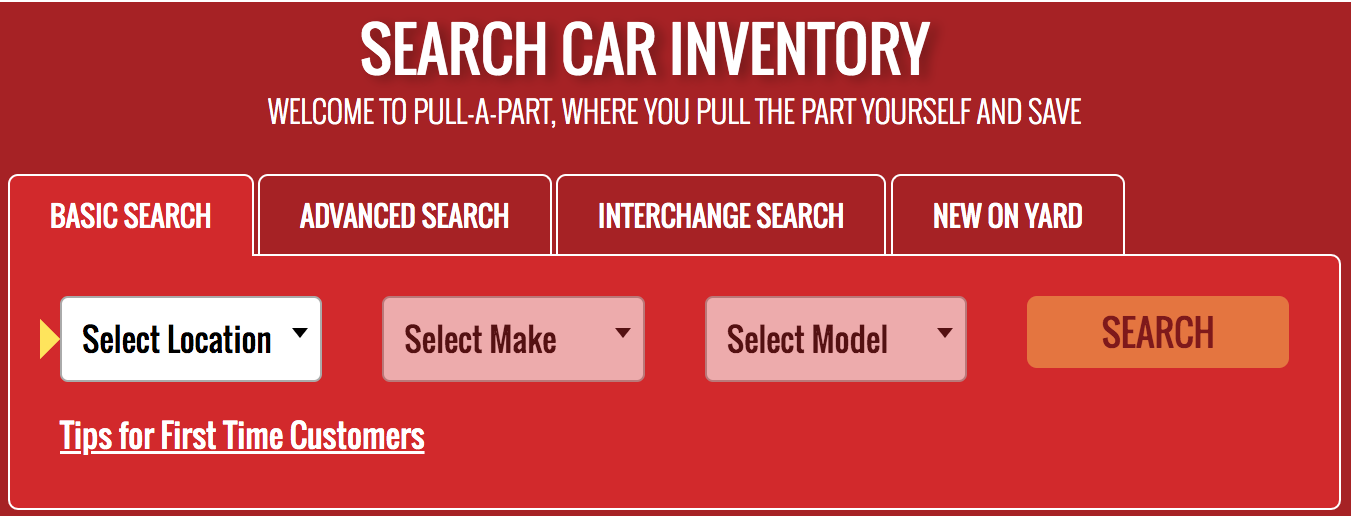
- Source smart, save more: For parts that need replacement, consider affordable used OEM components from organized local yards. U-Pull-&-Pay offers regularly updated inventory and straightforward pricing so you can keep costs down without compromising on fitment.
DIY steps help stretch your recovery budget and give you direct control over what to fix and when. If your vehicle proves beyond repair, you can still salvage usable parts or pivot quickly to a sale.
Safety and Environmental Responsibility
Floodwaters can carry oil, fuel, sewage, and other contaminants. Protect yourself and your community by handling cleanup and disposal properly.
- Use protective gear: Wear gloves, masks, and eye protection to prevent contact with hazardous substances and mold.
- Contain leaks: Place absorbent pads or trays under the vehicle if fluids are dripping. Avoid working near storm drains.
- Dispose correctly: Follow local guidelines for hazardous waste and automotive fluids. Your county’s solid waste authority or the Florida Department of Environmental Protection can direct you to approved drop-off sites.
- Know when to tow: If the vehicle is severely compromised, arrange for a tow rather than driving it—this helps prevent further mechanical damage and environmental risk.
Taking these precautions protects your family’s health and supports broader community safety after a storm.
When Selling Makes Sense: Turning a Flooded Car into Cash
If repairs don’t pencil out, converting your vehicle into immediate value is often the best move. Many buyers are interested in flood-damaged cars for parts or rebuild projects, especially when you’re transparent about the condition.
- Gather documentation: Compile photos, inspection notes, repair estimates, and your title. Clear, honest documentation builds trust and speeds up offers.
- Know your market: Florida’s strong DIY community fuels steady demand for quality used parts. Understanding which components are most valuable (e.g., body panels, wheels, interior trim, certain electronics) helps you assess offers.
- Get fair quotes: Request multiple offers from reputable buyers who understand flood damage. Ask about pricing transparency and any towing options.
U-Pull-&-Pay makes this process straightforward. As your local yard for cars, parts, and cash, we provide clear pricing and a hassle-reducing experience—so you can recover value quickly and move on.
What Trends and Experience Tell Us
Industry experience and post-storm assessments consistently show that water exposure often leads to lingering electrical and corrosion problems, particularly with saltwater. Early intervention—drying, documenting, and inspecting—reduces downstream costs and helps prevent minor issues from becoming major repairs. Sourcing used OEM parts is a proven way to cut expenses while maintaining compatibility, and many drivers find that a blend of DIY cleanup and selective professional help delivers the best overall outcome. The common thread: acting promptly expands your options, whether you repair, salvage, or sell.
Expert Tips from the Yard
Seasoned mechanics and restoration pros agree: quick, informed action is your advantage. A few practical do’s and don’ts can make a meaningful difference in results and cost.
- Do photograph everything before moving or cleaning the vehicle—inside, under the hood, and underneath.
- Don’t start the car until fluids and electrics are inspected; water ingestion can cause catastrophic engine damage.
- Do ventilate, dehumidify, and treat soft materials quickly to prevent mold and odors.
- Don’t ignore fuse boxes and connectors; corrosion here often causes the most persistent issues.
- Do consider used OEM replacements for cost-effective, reliable fitment—particularly for interior components, sensors, and trim.
- Don’t handle airbag or high-voltage hybrid components unless you’re trained; seek professional help for these systems.
At U-Pull-&-Pay, our team champions a hands-on, community-first approach. We’re here to help you source affordable parts, evaluate your options, or sell a flood-damaged car without the runaround.
Make Informed Moves, Recover with Confidence
Recovering from a hurricane is stressful, but the right plan puts you back in control. Whether you repair, salvage, or sell, acting decisively and using cost-effective strategies can protect your health, your finances, and your time. This guide equips you with practical steps, local insight, and a DIY-friendly approach that reflects how Florida drivers get things done—even after the toughest storms.
U-Pull-&-Pay understands the realities Florida drivers face each hurricane season. We’re committed to practical, community-focused solutions—helping you source affordable parts, evaluate your vehicle’s condition, or sell your junk car for cash when that’s the smarter path. If you’re ready to move forward, we’re ready to help.
Next Steps with U-Pull-&-Pay
Looking to repair or sell after flood damage? Contact your local U-Pull-&-Pay yard for a straightforward conversation and a no-pressure evaluation. Whether you’re hunting for budget-friendly parts or want to turn a damaged car into cash, we’ll help you take the next step with clarity.