Ask AI About U-Pull-&-Pay
Find a Local Junkyard
ALABAMA
ARIZONA
COLORADO
FLORIDA
GEORGIA
INDIANA
KENTUCKY
LOUISIANA
MISSISSIPPI
NEW MEXICO
NORTH CAROLINA
OHIO
PENNSYLVANIA
SOUTH CAROLINA
TENNESSEE
TEXAS
Auto Recycling in Colorado: How to Retire an Old Car the Right Way
U-Pull-&-Pay | Jun 17, 2026
When a car or truck reaches the end of its life, it rarely just disappears. It sits in a driveway, takes up a garage bay, or waits behind the house while you decide what to do with it. That decision matters more than most people realize. A retired vehicle still holds fuel, oil, coolant, a battery, and other materials that can harm soil and water if they leak, and it also holds steel, aluminum, and usable parts worth recovering. Auto recycling in Colorado is the process that handles both sides of that equation responsibly.
This guide explains what auto recycling actually involves, why doing it correctly protects the environment, and how self-service salvage yards keep usable parts in circulation. It also walks through the practical steps for retiring a vehicle in Colorado, including the title and license-plate paperwork the state expects. Whether your car is parked near Denver or somewhere else along the Front Range, the goal is the same: get rid of it legally, recover whatever value you can, and keep harmful materials out of the landscape.
What auto recycling actually means
Auto recycling is the work of recovering reusable parts and raw materials from end-of-life vehicles instead of burying the whole car in a landfill. It generally happens in two streams. First, good parts are removed and sold for repairs, so a single retired vehicle can keep several other cars on the road. Second, what remains is stripped of fluids and hazardous components, then crushed and processed so the metal can be melted down and used again.
Before any of that happens, a vehicle has to be drained and made safe. Gasoline, motor oil, coolant, brake fluid, and air-conditioning refrigerant are removed, the lead-acid battery is pulled, and the tires are set aside. Only after the car is depolluted does it move on to the parts lot or the crusher. That is why responsible recycling is more than hauling a car away — it is a controlled process designed to capture the harmful materials before the useful ones are recovered.
Why responsible recycling matters in Colorado
Every vehicle carries materials you do not want seeping into the ground. Left to rust in a field or dumped illegally, an old car can release oil, fuel, coolant, and battery acid into soil and groundwater. Proper recycling captures those fluids and components so they can be handled or disposed of correctly, which protects the streams, open land, and neighborhoods that make Colorado worth living in.
There is a resource argument too. Recovering steel and aluminum from old cars reduces the need to mine and manufacture new metal, and reusing a working part avoids producing a brand-new one. Abandoning a vehicle or letting it fall apart in place is never a legal disposal method in Colorado, and it wastes materials that still have value. Recycling is simply the version of "getting rid of the car" that keeps both the environment and your options intact.
How self-service yards keep cars out of the landfill
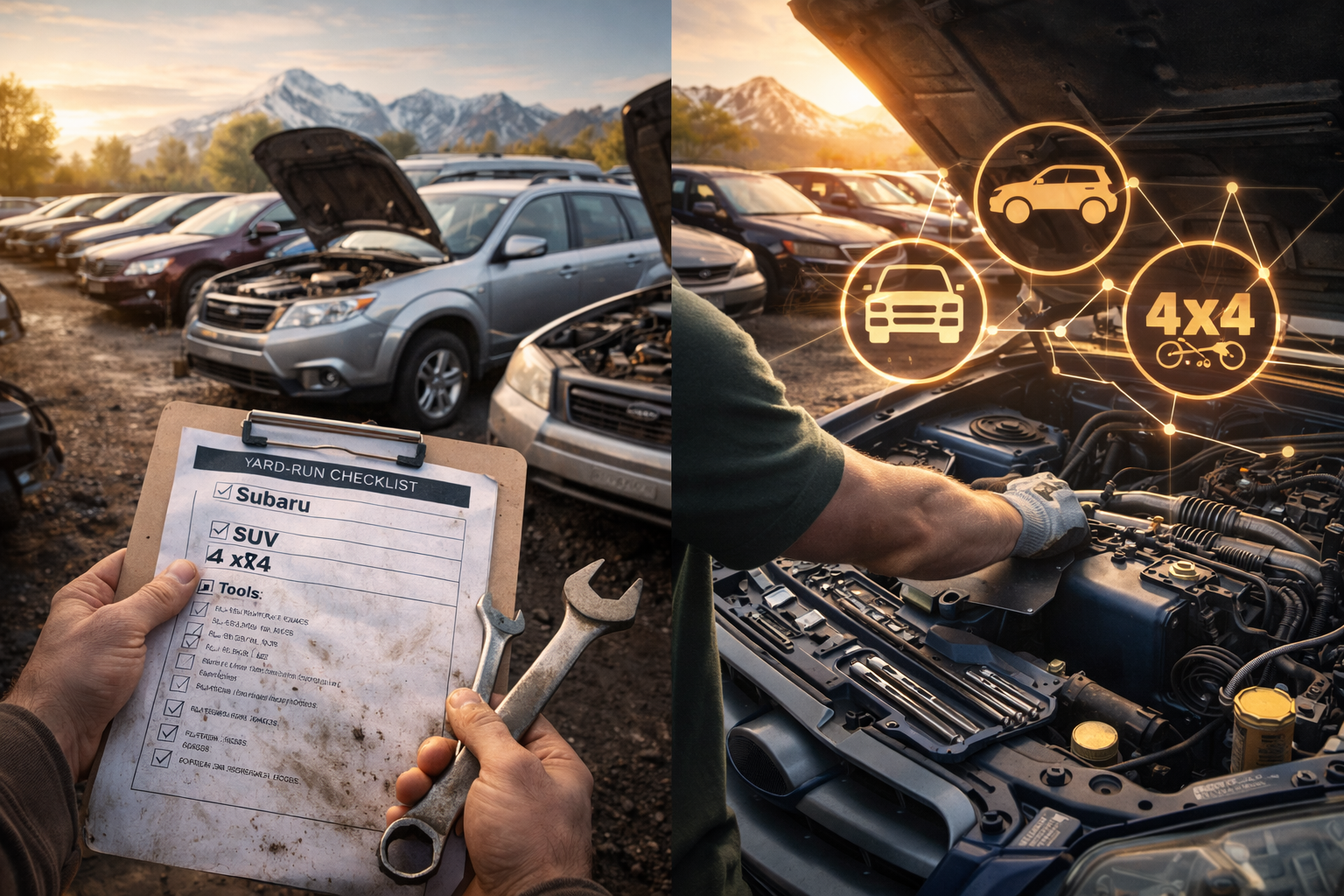
Self-service salvage operations — sometimes called "you-pull-it" or "pull-your-own-part" yards — play a direct role in recycling. After incoming vehicles are drained and prepped, they are placed on the lot so customers can remove the parts they need themselves, which keeps prices low and extends the life of other vehicles. When a car has given up everything useful, it is crushed and sent on for metal recycling. You can browse inventory and pull parts yourself at a self-service salvage yard such as the U-Pull-&-Pay location in Denver.
Two things are worth knowing before you go. Inventory changes constantly as cars arrive and get picked over, so check the current online inventory before driving out, and never assume a specific vehicle or part is waiting for you. And because used parts are not guaranteed to fit, confirm the year, make, model, trim, and engine — and check interchange information — so the part you pull actually works on your vehicle.
Should you fix it, sell it, or replace it?
Before you recycle anything, decide whether the vehicle is truly done. A useful rule of thumb: when a needed repair costs close to or more than the car is actually worth, it is usually time to retire it. From there you have a few paths — sell it as a running used car, sell it to a junk-car buyer for recycling, part it out, or donate it.
One affordable repair can sometimes buy you another year or two, and sourcing a used part instead of a new one keeps that cost down. If the car is genuinely past saving, though, replacing it does not have to be expensive. You can shop for a quality, affordable used car while you arrange to recycle the old one. Keep in mind that "affordable" does not mean mechanically perfect, so inspect any used vehicle, review its history, and confirm it fits your needs before you buy.
How to recycle or sell your end-of-life vehicle in Colorado
Once you have decided to let the car go, a short, orderly process keeps you out of trouble and helps you recover value. Colorado has a few state-specific rules around titles and plates, so it is worth doing this in the right order.
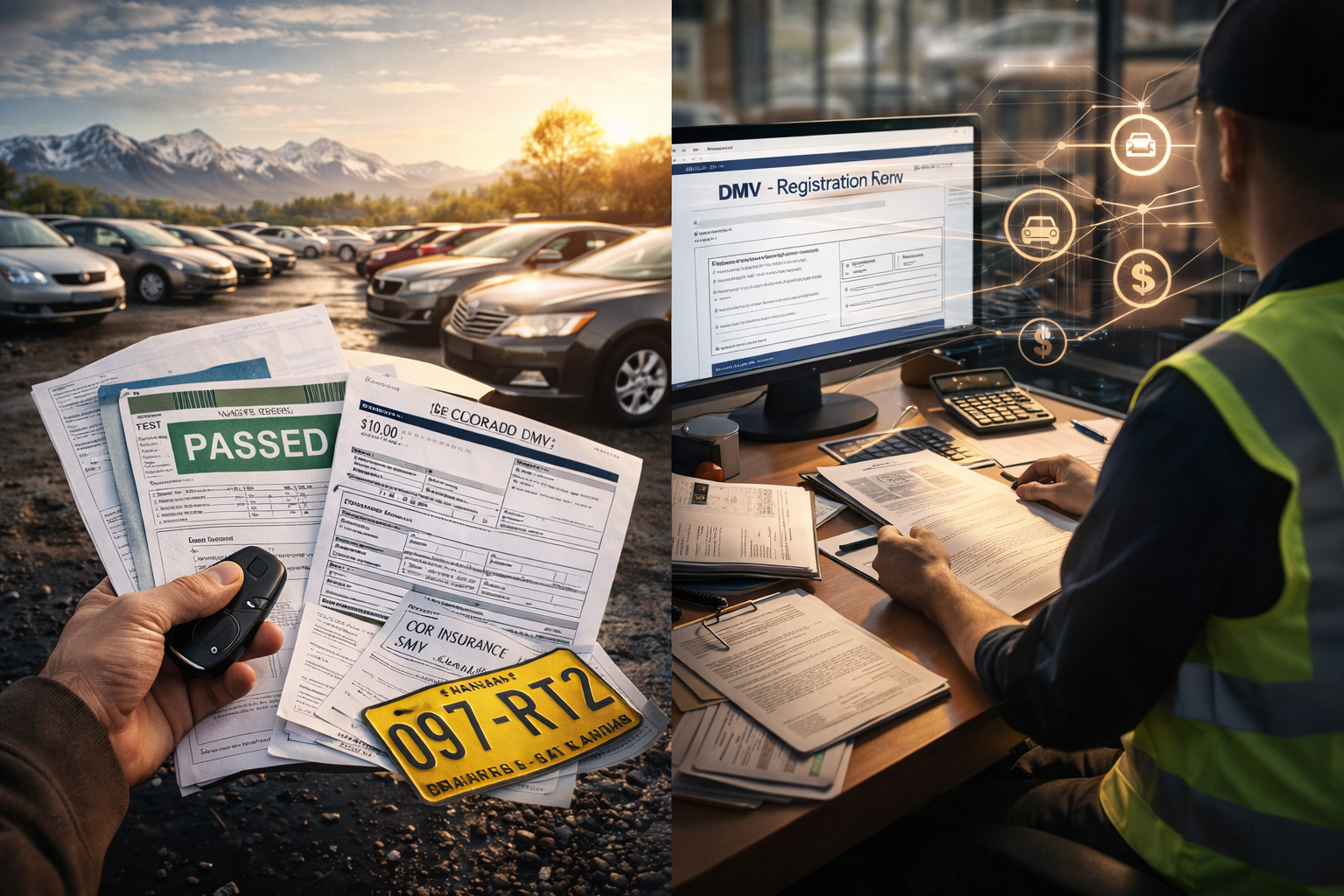
- Find your title. A Colorado title is normally required to sell or transfer a vehicle. If yours is lost, your county motor vehicle office can issue a duplicate.
- Know the difference between a regular, salvage, and junk title. A car branded "junk," "parts only," or "for crusher" is treated as junk and is not eligible to receive a Colorado title, which affects how it can be sold or recycled.
- Keep your license plates. In Colorado, plates belong to the owner, not the vehicle. Removing them protects you from being billed for future tolls or tied to the car if it is later misused. Standard plates can be returned to your county motor vehicle office or recycled as scrap metal, and personalized plates can often be moved to your next vehicle.
- Record the sale. Provide or keep a bill of sale showing the date, price, VIN, and both names, and complete the odometer disclosure when one is required.
- Choose how to hand it off. You can arrange recycling directly or sell to a buyer who recycles responsibly. If you want cash and a pickup handled for you, you can get cash for your junk car through U-Pull-&-Pay in Denver, and many qualifying vehicles can be towed at no charge — confirm the details when you request a quote.
Because state procedures change and some rules vary by county, verify the current requirements before you finalize anything. The Colorado DMV's guidance on buying, selling, and junk titles explains title transfers, plate handling, and how junk and parts-only vehicles are treated. If you are selling a vehicle that still runs to a new owner, note that an emissions certificate may be required in Front Range testing counties, so check whether that applies to your situation.
A quick end-of-life vehicle checklist
Have these ready before you retire your car, and the handoff will go much faster:
- Your Colorado title, properly signed, or a duplicate if the original is missing
- A bill of sale noting the date, price, VIN, year, make, and model
- The odometer reading, if a disclosure is required for your vehicle
- Your license plates removed from the car
- A plan for the plates — return them to your county office or transfer a personalized plate
- Any loan paid off or a lien release on hand, if the car was financed
Common mistakes to avoid
A few avoidable errors cause most of the headaches when people retire a vehicle:
- Leaving the license plates on the car, which can leave you liable for the new owner's tolls or tickets
- Letting the vehicle sit and leak, or dumping it, instead of recycling it through a legitimate channel
- Handing over the car without a bill of sale or any record of the sale
- Assuming a specific car or part is in stock at a salvage yard without checking current inventory first
- Pulling a used part without confirming it fits your exact year, make, model, trim, and engine
The bottom line
Retiring an old vehicle responsibly is good for Colorado and good for your wallet. Done right, auto recycling keeps fuel, oil, and battery acid out of the ground, returns steel and aluminum to use, and turns a car you no longer want into usable parts for someone else's repair. The self-service model U-Pull-&-Pay is built on supports that cycle from both ends — reusable parts come off retired vehicles, and those same vehicles get recycled when they have nothing left to give. When your car reaches that point, gather your paperwork, keep your plates, confirm the current state requirements, and choose the path that recovers the most value while keeping Colorado clean.