Ask AI About U-Pull-&-Pay
Find a Local Junkyard
ALABAMA
ARIZONA
COLORADO
FLORIDA
GEORGIA
INDIANA
KENTUCKY
LOUISIANA
MISSISSIPPI
NEW MEXICO
NORTH CAROLINA
OHIO
PENNSYLVANIA
SOUTH CAROLINA
TENNESSEE
TEXAS
Flood-Damaged Car After a Hurricane? How Florida Drivers Can Repair, Sell, or Salvage It
U-Pull-&-Pay | Mar 11, 2026
Across Florida — from Orlando in the center of the state to the Gulf Coast around Fort Myers and West Palm Beach on the Atlantic side — a single storm can leave standing water in your driveway and inside your car. Once floodwater reaches the carpet, the wiring, or the engine, the damage often keeps developing for weeks, long after the streets dry out. If your vehicle was caught in hurricane flooding, the real question isn't just whether it still starts. It's whether the car is worth fixing, what's safe to do next, and how to turn a waterlogged vehicle into usable value when repairs don't add up.
This guide walks you through that decision in order. You'll learn how to inspect flood damage without making it worse, how to weigh an insurance claim against a salvage or sale, what Florida's title rules require before you can sell a flooded vehicle, and which hands-on cleanup tasks you can handle yourself. Whether you plan to repair the car, part it out, or sell it, acting quickly and in the right sequence protects your health, your budget, and your options.
First, Don't Start a Flooded Car
The single most important rule comes before any inspection: if your car was submerged or took on water above the floorboards, do not turn the key. Cranking a waterlogged engine can pull water into the cylinders and cause severe, sometimes permanent mechanical damage, because water doesn't compress the way air and fuel do. The same caution applies to electronics — powering up a wet system can short connectors and modules that might otherwise have dried out and survived. Leave the car off until it has been dried and inspected.
How to Safely Assess Flood Damage
Flood damage often hides in places you can't see at a glance, so work through the car methodically and write down what you find. Move through it area by area:
- Interior and cabin: look for standing water, damp carpet and padding, wet seat belts, fogged glass, and a musty smell. Mold can begin forming within a day or two, so drying is time-sensitive.
- Electrical system: watch for dashboard warning lights, dead buttons, flickering displays, or intermittent power. Moisture trapped in fuse boxes and connectors causes failures that show up later.
- Engine and fluids: milky or discolored oil, a saturated air filter, or water above the dipstick mark are signs the engine may have ingested water.
- Undercarriage: check for silt, mud, and debris packed around the brakes, exhaust, and suspension. Salt and brackish water from coastal storm surge in particular accelerate corrosion.
Photograph everything before you clean or move the vehicle — the interior, under the hood, the undercarriage, and the visible waterline. Note the date and how deep the water reached. This documentation supports an insurance claim and gives an honest record to any buyer later. If you can't tell how far the damage goes, a professional inspection can confirm whether repairs are realistic.
Repair, Sell, or Salvage? Making the Call
Once you understand the scope of the damage, the decision usually comes down to a few practical factors:
- Repair cost versus value: compare estimated repairs to the car's pre-storm value and to its lower value once the title carries a flood or salvage brand.
- Long-term reliability: even after repairs, corrosion in connectors and modules can cause recurring electrical problems that are hard to chase down.
- Insurance math: factor in your deductible, the possible effect on premiums, and how your insurer defines a total loss.
- Timing: damage worsens daily, and salvage value drops the longer a flooded car sits.
If repairs cost more than the car is worth, or you'd rather not gamble on hidden corrosion, replacing the vehicle may be the cheaper path overall. Some drivers buy a dependable used car as a replacement while selling the flooded one for its parts value, and others keep the car as a long-term rebuild project. There's no single right answer — it depends on your budget, your timeline, and how much risk you're comfortable managing. Keep in mind that an affordable replacement still deserves a careful inspection of its own before you commit.
Salvage and Flood Titles in Florida: What the Law Requires
Before you sell a flooded car anywhere in Florida, it helps to understand how the state treats water-damaged vehicles. Florida applies an "80% rule": if the cost to repair the vehicle reaches 80 percent or more of its value, it's considered a total loss. At that point, the car generally cannot be offered for sale, sold, or exchanged until an Application for Salvage Title or Certificate of Destruction has been filed with your local Florida Tax Collector and the title has been branded to show flood damage.
If the car is insured, your insurance company usually handles this branding as part of the claim. If it's uninsured, you're responsible for completing the paperwork before selling. Florida law also requires you to disclose flood damage in writing to a buyer. The Florida Department of Highway Safety and Motor Vehicles outlines the flooded-vehicle process — including how to request a no-fee replacement title after a disaster — on its disaster response page for flooded vehicles. Because forms, fees, and thresholds can change, confirm the current requirements with FLHSMV or your county Tax Collector before you sell, and treat this as general information rather than legal advice.
DIY Cleanup You Can Handle
If the damage is limited and you want to save on labor, several recovery tasks are within reach for a hands-on owner — as long as you keep the car powered down until it is fully dry and inspected.
- Dry it out: open the doors and windows when it's safe, run fans and a dehumidifier, and pull the floor mats. If water reached the cabin, removing the seats and carpet helps everything dry completely and discourages mold.
- Clean and disinfect: wipe down surfaces with appropriate cleaners and replace the cabin air filter, which traps bacteria and contaminants.
- Check the electrical components: inspect fuses, connectors, and harnesses for corrosion, and replace visibly damaged parts only after everything has dried.
- Handle fluids carefully: if the engine or transmission took on water, have the fluids inspected and changed before any attempt to start the car.
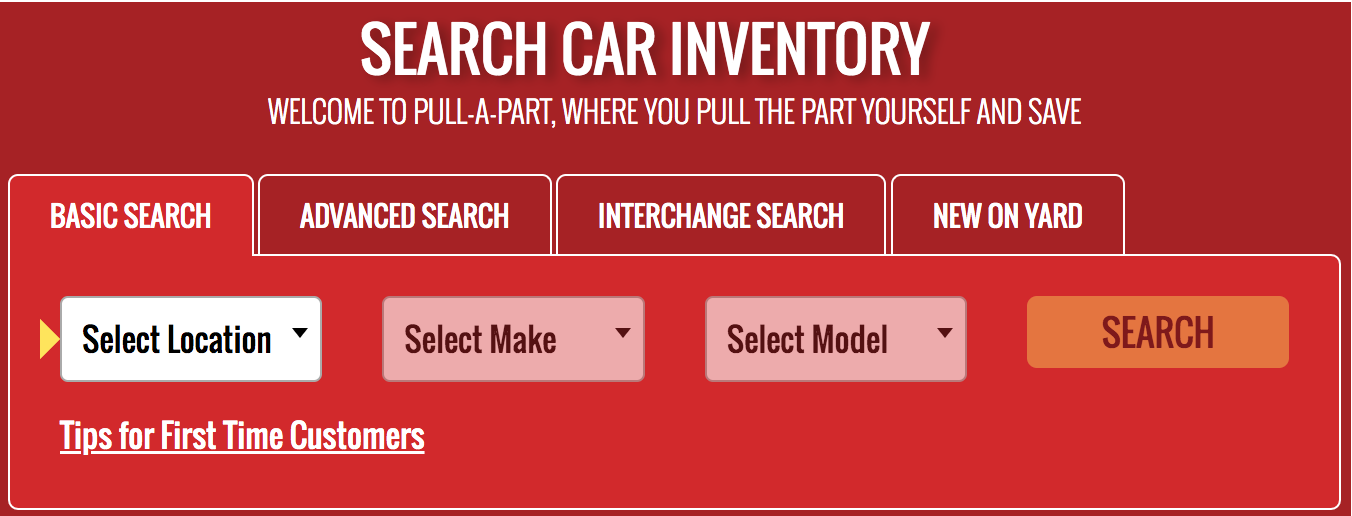
Replacing flood-damaged parts is where used components save the most money. Sourcing interior trim, sensors, body panels, or electronics from a used auto parts yard in Orlando or another self-service U-Pull-&-Pay location costs far less than buying new. Inventory changes constantly, so check the current stock online before you go, and verify the year, make, model, trim, and engine — along with the interchange information — so the part actually fits your vehicle.
Cleanup Safety and Proper Disposal
Floodwater can carry fuel, oil, sewage, and other contaminants, so protect yourself and the area around you while you work.
- Wear gloves, a mask, and eye protection when handling wet materials and any mold.
- Place absorbent pads or a tray under the car if fluids are dripping, and keep your work away from storm drains.
- Follow local guidelines for disposing of automotive fluids and hazardous waste; your county solid waste authority or the Florida Department of Environmental Protection can direct you to approved drop-off sites.
- If the car is badly compromised, have it towed rather than driving it, to prevent further mechanical damage and road hazards.
When Selling the Car Is the Smarter Move
When repairs don't pencil out, converting the car into cash is often the practical choice. Buyers who deal in flood and salvage vehicles want them for parts and rebuild projects, and being upfront about the condition tends to lead to fairer, faster offers.
- Gather your paperwork: the title, photos, inspection notes, and any repair estimates.
- Know what's valuable: undamaged body panels, wheels, trim, and certain electronics often carry the most worth.
- Compare offers: ask each buyer how they price flood-damaged cars and whether pickup or towing is included.
U-Pull-&-Pay's Florida yards buy junk, salvage, and damaged vehicles in a range of conditions, and once you accept an offer the team can arrange pickup. If you're in a Gulf Coast community that took on storm surge and you're ready to move on from a waterlogged car, you can sell a damaged car in Fort Myers and recover its remaining value instead of letting it sit and corrode. Offers reflect current market conditions, so it's worth getting a quote sooner rather than later.
Flood-Car Do's and Don'ts at a Glance
- Do photograph everything before cleaning or moving the car.
- Don't start the engine until the fluids and electronics are inspected — water can wreck an engine almost instantly.
- Do dry, ventilate, and treat soft materials quickly to head off mold and odors.
- Don't ignore fuse boxes and connectors, where corrosion causes the most stubborn problems.
- Do use quality used parts for affordable, compatible replacements.
- Don't touch airbag or high-voltage hybrid components unless you're trained; leave those systems to a professional.
- Do confirm Florida's title and disclosure requirements before you sell.
Recovering With Confidence
A flooded car is stressful, but a clear plan puts you back in control. Inspect it safely, document the damage thoroughly, weigh repair against replacement honestly, and follow Florida's title rules before you sell. Whether you fix the car, part it out, or hand it off for cash, moving quickly keeps the most options open.
U-Pull-&-Pay understands what Florida drivers face each hurricane season — from sourcing affordable used parts in Orlando, Fort Myers, and West Palm Beach to buying flood-damaged vehicles when repairs no longer make sense. However you decide to move forward, taking it one step at a time will get you there.