Ask AI About U-Pull-&-Pay
Find a Local Junkyard
ALABAMA
ARIZONA
COLORADO
FLORIDA
GEORGIA
INDIANA
KENTUCKY
LOUISIANA
MISSISSIPPI
NEW MEXICO
NORTH CAROLINA
OHIO
PENNSYLVANIA
SOUTH CAROLINA
TENNESSEE
TEXAS
How to Sell a Junk Car Without a Title
U-Pull-&-Pay | Jan 1, 2026
If you have an old, wrecked, or non-running car taking up space and you can't find the title, you are not stuck, but you do have a problem to solve first. In nearly every state, the title is the legal document that proves you own the vehicle, and you generally cannot sell a car, junk or otherwise, without it. The good news is that a missing title is one of the easier ownership problems to fix, and it usually does not cost much or take long.
This guide explains what the law typically requires, how to replace a lost title, which documents to gather, and how to protect yourself once the car is gone. By the end, you will know exactly what to do to turn that clunker into cash without running into legal trouble.
The Short Answer: Can You Sell a Junk Car Without a Title?
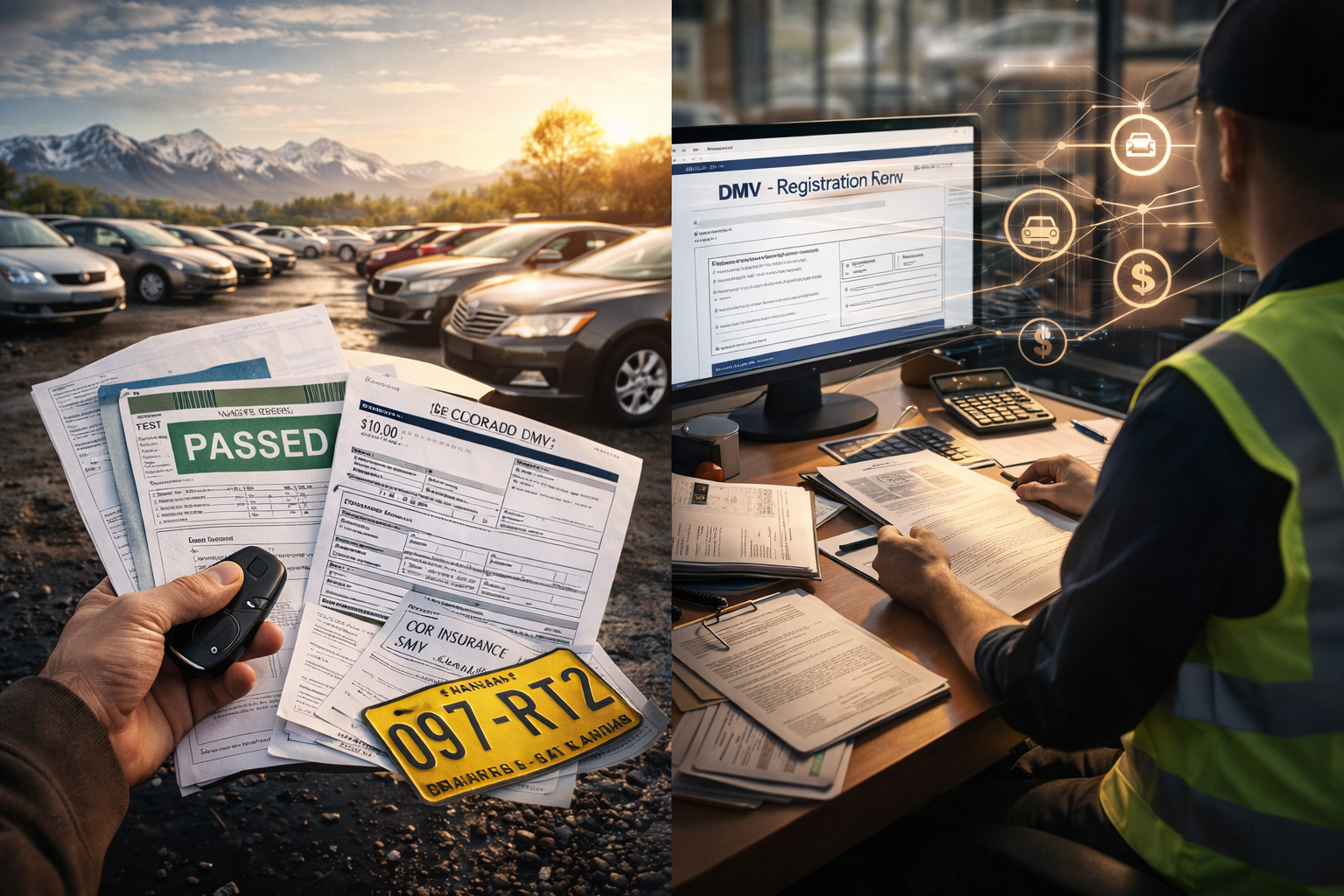
In most cases, no, not legally and not the way you might hope. State motor vehicle laws treat the certificate of title as the document that proves ownership, and a private sale generally is not valid unless the seller signs the title over to the buyer. If your title is lost, damaged, or was never in your name, the realistic path is to replace or correct it before you sell, rather than looking for a shortcut around it. Reputable junk-car buyers will ask for proof of ownership, and that requirement protects you as much as it protects them.
There is no shame in a missing title. Titles get lost in moves, water damage, junk drawers, and estates all the time. The steps below walk you through the fix.
Why a Title Matters When You Sell
A title does two important things. It proves you are the rightful owner, and it creates a clear record of when ownership changed hands. Without that record, a seller can stay legally tied to a car they no longer have, including any tickets, tolls, or liability that pile up after the sale. Requiring a title protects honest sellers and buyers alike, which is why legitimate buyers will not skip it.
How to Replace a Lost Title
Titling is handled at the state level, so the exact forms, fees, and timelines depend on where you live. The general process, though, looks similar almost everywhere. You can find the right office and instructions for your state through this official directory of state motor vehicle agencies.
- Confirm whether your title is paper or electronic. Many states now hold titles electronically, which means there may be nothing physical to replace, and you may only need to print it or complete the transfer in person.
- Complete your state's duplicate title application. Most agencies have a specific form for a lost, stolen, or damaged title. Fill it out fully and avoid corrections, which can void the form.
- Gather your identification. A valid driver's license or state ID that matches the name on the record is almost always required.
- Submit the application to your state's motor vehicle agency. Many offices offer same-day or expedited service for an added fee if you need the title quickly.
- Pay the fee. Amounts and processing times vary by state, so confirm the current cost before you go.
Because forms, fees, and rules change and differ from state to state, check the current requirements with your own state's agency before you make a trip. Nothing here is legal advice, and the official agency is always the final word.
What to Gather Before You Sell
Even after the title is sorted out, a few documents make the sale faster and smoother. Have these ready:
- The signed title, or your duplicate, in your name
- A valid photo ID that matches the name on the title
- Your vehicle's year, make, model, and VIN
- Any lien release paperwork, if you ever had a loan on the car
- A simple bill of sale for your own records
Watch Out for Liens and Electronic Titles
Two situations trip people up. First, if there is still an unpaid loan, or lien, on the car, most states will not let you sell it in a private sale until the lien is satisfied and the lender reports it cleared. Second, if your title is electronic, you and the buyer may both need to appear in person at a motor vehicle office to complete a secure title transfer. Knowing which situation applies to you ahead of time saves a wasted trip.
Protect Yourself After the Sale
Once you sell, many states ask sellers to formally report the sale, often through a notice of sale or release of liability filing. This removes your registration from the vehicle and helps shield you from responsibility for anything that happens with the car after it leaves your hands. It is a small step that is easy to skip and costly to ignore, so confirm whether your state requires it and how to file.
What If You Truly Can't Get a Title?
Some situations are more complicated, such as an inherited car with no paperwork, a vehicle that was never titled in your name, or an abandoned car you have been storing. States have specific procedures for cases like these, and they are handled case by case. If you are in one of these situations, contact your state's motor vehicle agency before assuming you can or cannot sell. Be cautious with anyone who offers to buy a car with no title and no questions asked, since that can leave you exposed if the paperwork is not handled correctly.
Getting the Most Cash for Your Junk Car
Once your ownership is in order, a little preparation helps you get a fair offer. Keep these tips in mind:
- Know your car's details, including year, make, model, condition, and any missing parts, so quotes are accurate.
- Note whether the engine, transmission, and catalytic converter are still in place, since these affect value.
- Get more than one quote, and remember that offers reflect current scrap and parts values, which change over time.
- Ask about pickup or towing options up front, since these vary by buyer and location.
When your paperwork is ready, you can get cash for your junk car through a U-Pull-&-Pay buying team, who can quote your vehicle and explain what is needed in your area. Keep in mind that quotes are usually tied to the day they are given, so it pays to act once you see a number you like.
Beyond Selling: Parts, Repairs, and Replacements
Selling is not your only option. If the car is worth keeping but needs a repair, pulling a used part yourself can cost a fraction of buying new. You can browse inventory and visit a self-service junkyard near you to find compatible parts, just verify the year, make, model, trim, engine, and interchange details first, since inventory changes daily. And if your old car has reached the end of the road, you might put the cash from selling it toward a quality, affordable used car instead of an expensive repair. Affordable does not mean perfect, so always inspect any replacement and match it to your needs and budget.
The Bottom Line
A missing title does not have to keep your junk car parked. The dependable path is to replace or correct the title through your state's motor vehicle agency, gather your paperwork, report the sale to protect yourself, and then sell to a buyer who handles the process properly. Because state rules and fees can change, confirm the current requirements before you start. Handle the ownership side first, and turning that clunker into cash becomes the easy part.