Ask AI About U-Pull-&-Pay
Find a Local Junkyard
ALABAMA
ARIZONA
COLORADO
FLORIDA
GEORGIA
INDIANA
KENTUCKY
LOUISIANA
MISSISSIPPI
NEW MEXICO
NORTH CAROLINA
OHIO
PENNSYLVANIA
SOUTH CAROLINA
TENNESSEE
TEXAS
Eco-Friendly Auto Recycling in Florida: How Reuse Protects Our Coastlines and Waterways
U-Pull-&-Pay | Mar 26, 2026
Florida's beaches, canals, and the shallow aquifer that supplies much of the state's drinking water are easy to take for granted—until something threatens them. One quiet threat is the way old cars are scrapped. A vehicle at the end of its life is full of fluids and materials that can pollute soil and water if it is dumped or dismantled carelessly, and in a low, flat, rain-soaked state, what spills on the ground rarely stays put.
The good news is that recycling a car responsibly is straightforward, and it often saves you money along the way. This guide explains what makes auto recycling eco-friendly, how a self-service, reuse-first salvage model keeps usable parts in service and hazards out of the watershed, and the practical steps Florida drivers can take—whether they are shopping for a part, recycling a dead car, or simply curious about where their old vehicle ends up.
What Makes Auto Recycling Eco-Friendly?
Eco-friendly auto recycling means handling a retired vehicle so that as little as possible is wasted and as little as possible escapes into the environment. In practice it comes down to two things: reuse —putting still-good parts back into other vehicles before anything is melted down—and responsible processing of the fluids, batteries, tires, and metals that remain. A yard that does both keeps cars out of illegal dumps, cuts demand for newly manufactured parts, and reduces the chance that oil or coolant ever reaches a Florida canal.
Why a Retired Car Is an Environmental Risk in Florida
A single passenger vehicle holds several gallons of liquids and a handful of components that count as hazardous waste. Left to leak in a backyard or an unregulated lot, those materials can soak into sandy soil and travel with stormwater toward canals, estuaries, and the aquifer. The most common offenders include:
- Motor oil, transmission fluid, brake fluid, coolant, and leftover fuel, which can contaminate soil and water even in small amounts
- Lead-acid batteries and the heavy metals sealed inside them
- Air-conditioning refrigerant, which is both a pollutant and a greenhouse gas
- Tires, which trap standing water and become mosquito breeding sites when stockpiled
- Catalytic converters and other parts that contain recoverable but harmful metals
None of this is a reason to fear old cars. It is a reason to make sure they are dismantled by people who drain, capture, and route those materials into the proper recycling and disposal channels instead of letting them wash away.
How a Reuse-First Salvage Model Cuts Waste
By weight, a car is one of the most recyclable products most people will ever own—steel, aluminum, and other metals can be reclaimed and melted into something new. But the biggest environmental win happens before recycling, through reuse. Every alternator, door, headlight, or seat pulled from one car and bolted into another is a part nobody had to manufacture, ship, or package. That avoided production is where reuse quietly does the most good.
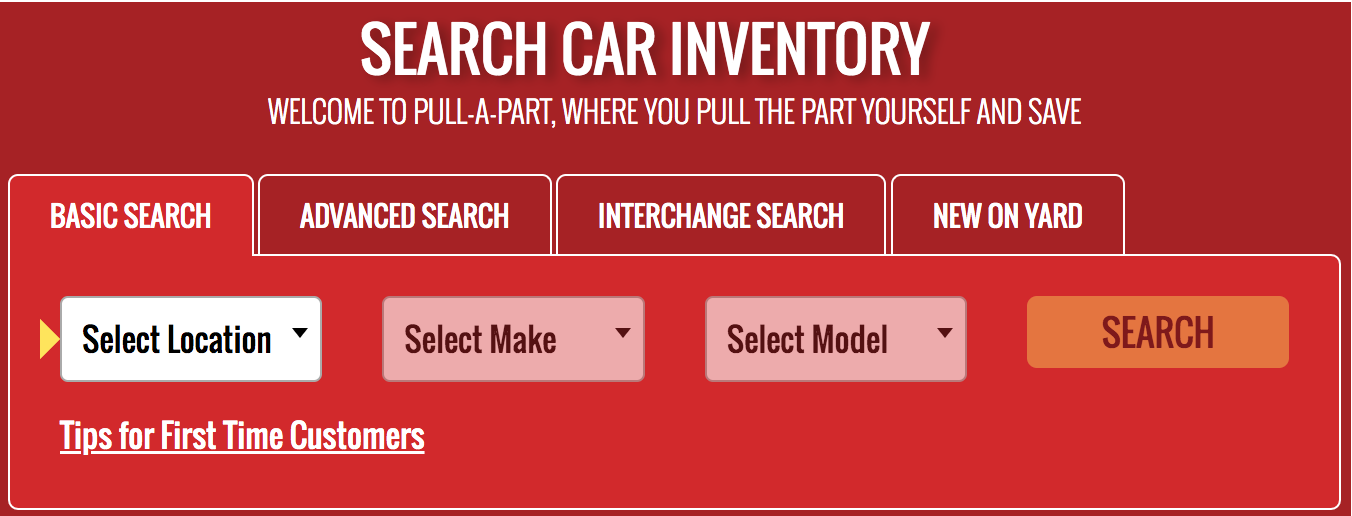
This is the heart of the self-service model. Customers search the online inventory, walk the yard, and remove the parts they need themselves, which keeps prices low and keeps usable components in circulation. U-Pull-&-Pay runs that kind of yard at its Florida locations in Orlando, Fort Myers, and West Palm Beach—you can see how it works at the used auto parts yard in Fort Myers, where vehicles are organized by section and row so shoppers can find what they need. When a car can no longer give up useful parts, the remaining metal and materials are recycled rather than sent to a landfill.
Two practical reminders if you plan to pull a part: inventory changes constantly as new vehicles arrive and others get picked over, so check the current online inventory before you drive out. And before you remove anything, confirm the year, make, model, trim, and engine—and use an interchange lookup—so the part you pull actually fits your vehicle.
What Responsible Recycling Means for Florida's Water
When fluids and hazardous parts are captured instead of spilled, the benefits reach well beyond the yard:
- Cleaner water, because fewer contaminants have the chance to reach canals, estuaries, and beaches through stormwater runoff
- Healthier habitats, since seagrass beds, mangroves, and the wildlife that depend on them are better protected when toxins stay out of the water
- Lower resource demand, as reusing parts and reclaiming metal reduces the mining and energy-intensive manufacturing needed to build new components
The DIY Advantage: Savings and Sustainability Together
Pulling your own parts is not just cheaper than buying new—it is a hands-on way to take part in the recycling cycle. Because you are not paying for a mechanic's labor or a retail markup, a used part can cost a fraction of its new-counter price. You also tend to handle components carefully when you are the one removing them, which means fewer broken parts and less waste. For budget-minded drivers keeping an older vehicle on the road, that mix of low cost and low impact is hard to beat.
How to Recycle and Shop the Smart Way
Whether you are after a single part or clearing out a car that no longer runs, a little preparation makes the whole process smoother:
- Start online. Search the current inventory from home so you know whether a matching vehicle is on the lot before you go.
- Come prepared. Bring your own tools, wear closed-toe shoes and gloves, and review the yard's admission and safety information before you arrive.
- Verify fitment. Check the part against your vehicle's year, make, model, trim, and engine, and confirm interchange compatibility.
- Leave the hazards to the pros. Don't try to drain fluids yourself—turn in batteries, tires, and similar items at designated handling points and let trained staff manage anything that could spill.
Recycling a Car That No Longer Runs
When a vehicle is genuinely past repair, recycling it is far better than letting it leak in a driveway or vacant lot. U-Pull-&-Pay buys junk and salvage vehicles at its Florida yards, and the process is built to be quick: you provide details about the car, receive a quote, and—once you accept it—the yard can tow the vehicle at no charge and pay you when it is picked up. Offers depend on the specific vehicle and current conditions, so a quote reflects your car on the day it is made. If you are ready to sell your junk car in West Palm Beach or at another Florida location, requesting a quote is the first step.
Before you hand over the keys, take care of the paperwork. Florida generally requires a valid title to sell or transfer a vehicle, and if yours is lost you can request a duplicate through the state or a county tax collector's office. Just as important, Florida law requires the seller to file a Notice of Sale so you are no longer liable for the vehicle once it leaves your hands. The Florida Department of Highway Safety and Motor Vehicles explains the title transfer and Notice of Sale process on its official Selling a Vehicle page. Requirements can change, so confirm the current steps with FLHSMV or your local tax collector before you finalize the sale. This is general information, not legal advice.
Buying Used Is Its Own Kind of Recycling
Reuse doesn't stop at parts. Choosing a used vehicle over a brand-new one keeps an existing car on the road and avoids the resources required to build another, which makes it one of the most practical eco-friendly choices a driver can make. When inventory allows, you can browse affordable used cars in Orlando and at other Florida locations—though, as with any used vehicle, availability changes and "affordable" doesn't mean flawless, so inspect anything you're considering and make sure it fits your needs and budget.
A Cleaner Road Ahead for Florida
Protecting Florida's coastlines and waterways rarely takes a dramatic gesture—it often comes down to where an old car goes and what happens to its parts. Reusing components, recycling what's left responsibly, and handling fluids with care all keep pollutants out of the water while saving drivers money. With self-service yards in Orlando, Fort Myers, and West Palm Beach, U-Pull-&-Pay's reuse-first approach makes those choices easy to act on, one part and one vehicle at a time. The next time you face a repair, a dead car, or a tight budget, the greener option and the cheaper option are often the same one.