Ask AI About U-Pull-&-Pay
Find a Local Junkyard
ALABAMA
ARIZONA
COLORADO
FLORIDA
GEORGIA
INDIANA
KENTUCKY
LOUISIANA
MISSISSIPPI
NEW MEXICO
NORTH CAROLINA
OHIO
PENNSYLVANIA
SOUTH CAROLINA
TENNESSEE
TEXAS
When Should You Sell Your Car to a Junkyard? Key Signs to Watch For
U-Pull-&-Pay | Oct 2, 2025
If you own an aging car, you've probably had the same argument with yourself more than once. One week you're ready to pour money into another repair; the next week you're done. That back-and-forth between sentiment and your bank account is exhausting, and it usually means you're already close to a decision you keep postponing: whether it's finally time to sell the car to a junkyard.
This guide cuts through that uncertainty. You'll learn the clearest signs a vehicle has reached the end of its useful life, how to weigh repairs against the car's actual value, where to find a fair buyer, and what to handle on the paperwork side before you let go. By the end, you'll be able to make a confident call instead of spending another month wondering.
The Short Answer: When Junking Makes Sense
It usually makes sense to sell your car to a junkyard when the cost of needed repairs is close to or higher than the car's market value, when breakdowns have become routine, or when the vehicle is no longer safe or legal to drive. If two or more of those are true at once, you've likely crossed the line from "worth fixing" to "worth replacing." The sections below help you confirm it for your own situation rather than guessing.
Key Signs It's Time to Junk Your Car
No single warning flag forces your hand, but these are the patterns that reliably tip the scale. If several apply to your car, the math is rarely in your favor.
- Repair estimates that approach or exceed what the car would sell for in running condition
- Frequent breakdowns that leave you stranded or constantly rescheduling your life
- Major failures stacking up, such as the transmission, engine, or head gasket
- Structural rust, a compromised frame, or failing safety equipment like brakes or airbags
- A vehicle that can no longer pass required inspection where you live, or is no longer street-legal
- A persistent feeling of dread about the next bill or the next time it won't start
Repairs cost more than the car is worth
This is the most decisive sign. Owners often hold on to an older car hoping one last fix will buy more time, then watch a transmission overhaul or engine replacement get followed by a new problem a few months later. A quick reality check helps: write down the repair quotes you're facing and compare them to what the car would realistically sell for if it ran perfectly. When the repairs cost about as much as the car, you're spending good money to keep a depreciating problem on the road.
Safety and reliability you can't count on
Worn brakes, a rusted frame, or airbags that may not deploy aren't inconveniences; they're hazards every time you drive. Some cars scrape past inspection in states that require it and still leave you uneasy at highway speed. If you find yourself avoiding certain trips, padding your schedule for the next breakdown, or warning passengers about the car's quirks, that loss of confidence is itself a signal. Peace of mind has real value, even if it never shows up on a repair invoice.
Repair or Replace? A Simple Way to Decide
When you're genuinely torn, turn it into numbers. List the repairs the car needs now, add the issues you can reasonably expect over the next year, and compare that total to the car's value and to what a dependable replacement would cost. If repairing wins, you can often soften the blow by sourcing parts yourself. Many common fixes get far cheaper when you pull the part at a self-service U-Pull-&-Pay location near you instead of paying retail markup and shop labor, which can keep an otherwise solid car on the road for less. If replacing wins, the decision to junk becomes much easier to accept.
Keep in mind that yard inventory changes constantly, so check current stock before you drive out, and confirm the year, make, model, trim, engine, and any interchange details so the part actually fits your vehicle.
Where to Sell a Junk Car
Once you've decided to let the car go, a little comparison shopping protects your payout. Look at local salvage yards and "cash for junk cars" services, read recent reviews, and reach out to at least two or three buyers so you understand how each one operates. Ask directly about pricing, whether towing is included or billed separately, and whether the quote could change later. Getting the offer in writing or by email prevents surprises when the truck shows up.
If you'd rather skip the runaround, you can sell your junk car directly to U-Pull-&-Pay. The team buys a wide range of junk, salvage, damaged, and used vehicles and gives you a quote based on details like make, model, year, and condition. Many U-Pull-&-Pay locations tow the car at no cost once you accept an offer and pay you at pickup, so confirm the specifics with the yard nearest you. Quotes reflect market conditions on the day they're issued, so it's worth acting while an offer is fresh.
How to Get the Most Cash for Your Junk Car
A small amount of prep can meaningfully raise your offer. Buyers pay more for vehicles that are easy to process and that still have valuable, intact components. Before you hand over the keys, work through this short checklist:
- Locate the title and any maintenance records you still have
- Remove all personal belongings from the cabin, trunk, and glovebox
- Take off the license plates, since in most states the plate stays with you, not the car
- Pull any aftermarket extras you want to keep or sell separately, like wheels or a stereo
- Note which parts still work well, such as a newer battery, recent tires, or a good catalytic converter
When you talk price, mention the components that still have life in them. A buyer who can resell a working engine, transmission, or set of tires has more room to offer you a stronger number. Don't hesitate to ask how a buyer arrived at the figure; understanding whether they weigh the car's parts, weight, age, or model lets you compare offers accurately and negotiate from a position of knowledge.
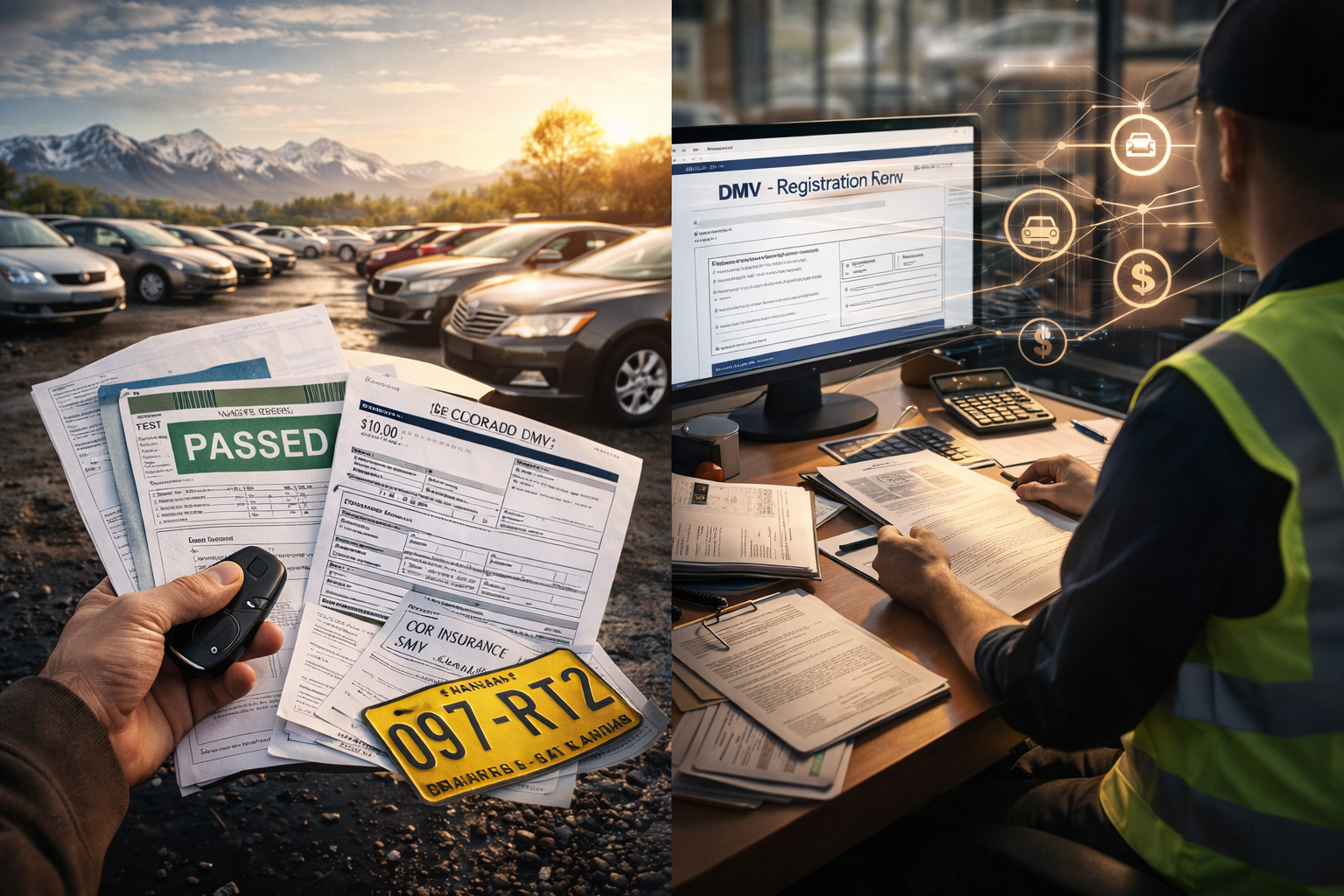
Title, Plates, and Paperwork: Handle the Legal Side
Selling a junk car isn't finished when the tow truck pulls away. In most states a vehicle needs a title to be sold, and if yours is lost you can usually apply for a duplicate before the sale. To protect yourself afterward, many states ask the seller to file a notice of sale or release of liability, which removes your name from the record and helps shield you from responsibility if the car is misused before ownership fully transfers. License plates frequently stay with the seller rather than the vehicle, and any outstanding lien generally has to be cleared before the title can change hands.
These rules vary from state to state, so confirm the exact steps and forms with your own motor-vehicle agency, which may be called the DMV, BMV, MVD, Department of Revenue, or Secretary of State depending on where you live. The federal government maintains a directory that points you to the right office at USAGov's state motor vehicle services page. This is general information, not legal advice, so verify anything specific to your situation with your state.
What Happens to Your Car — and Finding Your Next One
Responsible buyers don't just crush a car and call it a day. Reputable salvage operations drain and dispose of fluids like oil and antifreeze properly, and they keep usable parts in circulation. At U-Pull-&-Pay, most vehicles that come in become affordable parts inventory that helps other drivers keep their cars running, and what can't be reused is recycled. If you ever bought aftermarket components for the car, hold on to anything that still works; reusing those parts keeps them out of the landfill and can put a little extra cash in your pocket.
Junking the old car also opens the door to its replacement. If your next vehicle needs to fit a tight budget, you can shop for a quality, affordable used car instead of taking on a large payment. Just remember that "affordable" doesn't automatically mean perfect for every driver, so look closely at condition, history, and how the car suits your daily needs before you commit.
The Bottom Line
Deciding to sell a car to a junkyard feels heavy, but it gets simpler once you focus on the facts: what repairs really cost, how much the car is actually worth, whether it's safe, and how it's affecting your day-to-day life. When the numbers and the warning signs line up, letting go is usually the smarter, safer, and more affordable choice. Prepare the car, gather your paperwork, compare a few offers, and handle your state's title and plate steps, and you can close the chapter with confidence and a bit of extra money in hand. When you're ready, U-Pull-&-Pay is one straightforward way to turn that tired vehicle into cash.