Ask AI About U-Pull-&-Pay
Find a Local Junkyard
ALABAMA
ARIZONA
COLORADO
FLORIDA
GEORGIA
INDIANA
KENTUCKY
LOUISIANA
MISSISSIPPI
NEW MEXICO
NORTH CAROLINA
OHIO
PENNSYLVANIA
SOUTH CAROLINA
TENNESSEE
TEXAS
Eco-Friendly and Budget-Friendly: The Benefits of Junkyard Auto Recycling
U-Pull-&-Pay | Jul 3, 2025
When a car reaches the end of its life, it doesn't simply disappear. Every vehicle is packed with steel, aluminum, glass, rubber, plastic, and fluids that all have to go somewhere, and where they end up makes a real difference to both the environment and your wallet. Junkyard auto recycling is the system that keeps those materials in use instead of buried in a landfill, and it quietly powers one of the largest recycling industries in the country.
If you've ever wondered what actually happens to a junked car, whether recycling is genuinely good for the planet, or how a salvage yard can save you money on repairs, this guide breaks it down. You'll learn how the recycling process works step by step, why it ranks among the most eco-friendly things you can do with an old vehicle, and how the same system that recycles cars also helps everyday drivers find cheap parts and affordable transportation.
The short version: junkyard auto recycling is the process of draining, dismantling, and reclaiming materials from end-of-life vehicles so that reusable parts and raw metals are recovered rather than wasted. It's eco-friendly because it keeps scrap metal and hazardous fluids out of the waste stream, and it's budget-friendly because recovered parts and recycled materials cost far less than buying new.
What Is Junkyard Auto Recycling?
Auto recycling is the practice of taking a vehicle that's no longer roadworthy and recovering everything of value from it. At a self-service or "pick-your-part" yard, the model is simple: cars that have been bought, retired, or salvaged are cleaned of fluids, placed on the lot, and made available so customers can remove the parts they need themselves. Anything that isn't sold as a part is eventually crushed and sent to be shredded and melted down for its metal content.
This is different from a traditional repair shop or new-parts store. A self-service yard doesn't fix your car for you. Instead, it gives you direct access to inventory at low, simple pricing so you can pull the components you need without paying for labor or retail markup. The recycling itself happens in stages: reuse first, then raw-material recovery.
How a Car Actually Gets Recycled
Most vehicles move through a similar set of steps before they're fully recycled:
- Depollution. Before anything else, fluids such as engine oil, coolant, transmission fluid, brake fluid, and fuel are drained and captured. Batteries, mercury switches, and air-conditioning refrigerant are removed and handled separately because they're hazardous if they leak.
- Parts recovery. Working components such as engines, transmissions, alternators, starters, body panels, lights, seats, and wheels are made available for reuse. At a self-service yard, this is the stage where customers come in and pull parts.
- Material separation. Once the useful parts are gone, the remaining shell, often called the hull, is crushed and sent to a shredder, where metal is separated from glass, plastic, and fabric.
- Metal reclamation. The recovered steel and other metals are melted down and used to manufacture new products, including new vehicles.
The result is that very little of a car is truly thrown away. By weight, the typical vehicle is overwhelmingly metal, and metal is one of the most recyclable materials on earth.
The Environmental Benefits of Auto Recycling
Recycling a vehicle delivers a long list of environmental wins that reach far beyond clearing space in your driveway.
It keeps reusable metal in circulation
Steel and aluminum can be recycled again and again without losing strength. Making new products from recycled steel takes far less energy than producing it from freshly mined iron ore, which means lower emissions and reduced demand for mining. Because cars are so metal-heavy, recycling them is one of the most effective ways to keep that loop running.
It keeps hazardous fluids and materials contained
A single abandoned car can leak oil, coolant, and fuel into soil and groundwater. Proper auto recycling captures these fluids and reprocesses or disposes of them safely. Batteries, tires, and refrigerants, all of which cause problems in landfills, are diverted into dedicated recycling streams instead of being left to break down in the open.
It reduces the demand for brand-new parts
Every reused alternator, door, or transmission is one that didn't have to be manufactured from scratch. Building new parts consumes raw materials, water, and energy, so choosing a recycled component shrinks the footprint of keeping a car on the road. When you buy from a salvage yard, you're extending the useful life of something that already exists.
The Budget-Friendly Benefits of Auto Recycling
Recycling isn't only good for the planet. It's also one of the most practical ways to spend less on car ownership, whether you're repairing a vehicle, getting rid of one, or shopping for your next ride.
Used parts cost a fraction of new ones
Reclaimed parts typically sell for far less than their brand-new counterparts, and on a self-service model the savings grow because you skip the labor and markup of having someone remove the part for you. If you're comfortable with basic tools, you can often replace a mirror, headlight, alternator, or body panel for a small share of dealership prices by visiting a self-service junkyard and pulling the part yourself. Confirm the exact year, make, model, trim, engine, and interchange details before you go, since fitment matters and inventory changes constantly.
An old car can become cash instead of a liability
A vehicle that no longer runs still holds value as recyclable material and reusable parts. Rather than letting it sit and depreciate, or paying to haul it away, you can sell your junk car and put money back in your pocket. Offers vary based on a vehicle's make, model, year, condition, and current scrap and parts demand, so it's worth getting a quote before assuming a car is worthless.
Recycling helps keep affordable used cars on the road
The same ecosystem that dismantles end-of-life vehicles also supports drivers who simply need dependable, low-cost transportation. Some cars that come through a yard are sound enough to be repaired and resold rather than parted out. If you're shopping on a budget, you may be able to buy a quality, affordable used car instead of taking on a large monthly payment. Keep in mind that affordable doesn't mean flawless, so always inspect any used vehicle, review its history, and ideally have it checked by a mechanic before buying.
How to Get the Most Out of a Self-Service Yard
Visiting a pick-your-part yard is straightforward, but a little preparation makes the trip far more productive:
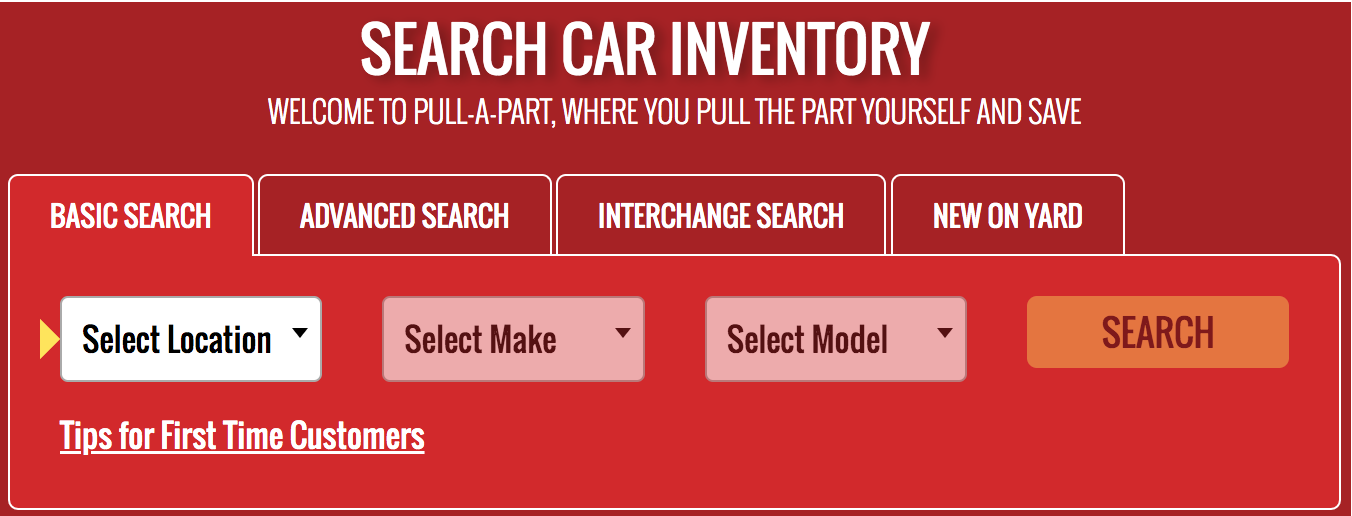
- Search the yard's online inventory first to see whether a matching vehicle is on the lot, since availability changes daily.
- Write down your car's year, make, model, trim, and engine size, along with any interchange numbers for the part you need.
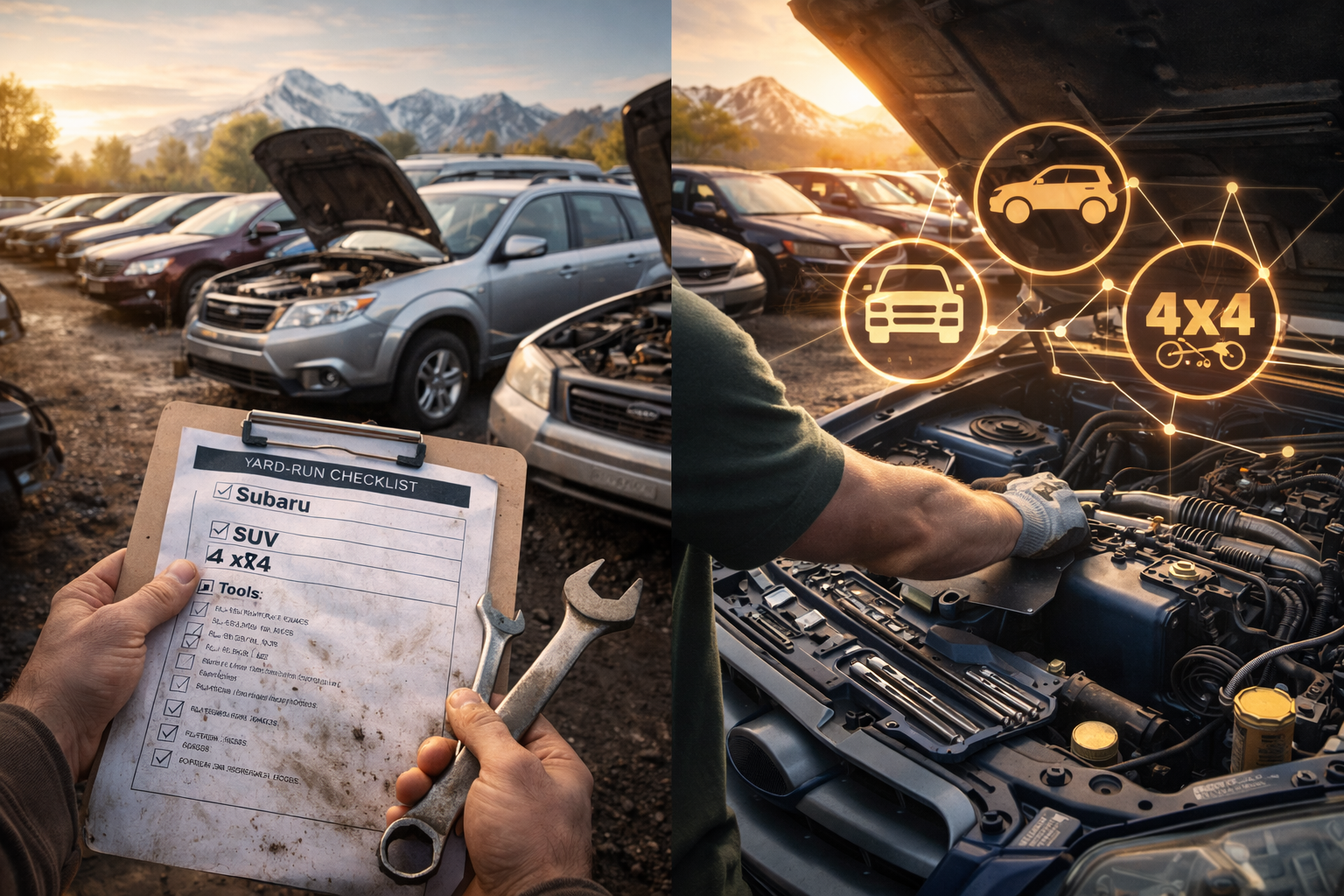
- Bring your own tools, gloves, and something to carry parts in, because self-service means you do the removal.
- Inspect each part before pulling it and check for cracks, corrosion, or excessive wear.
- Ask about return, warranty, or core policies, which can vary by location.
A quick inventory check and a few notes can save you a wasted trip and help you leave with the right part the first time.
Recycling a Car You No Longer Drive
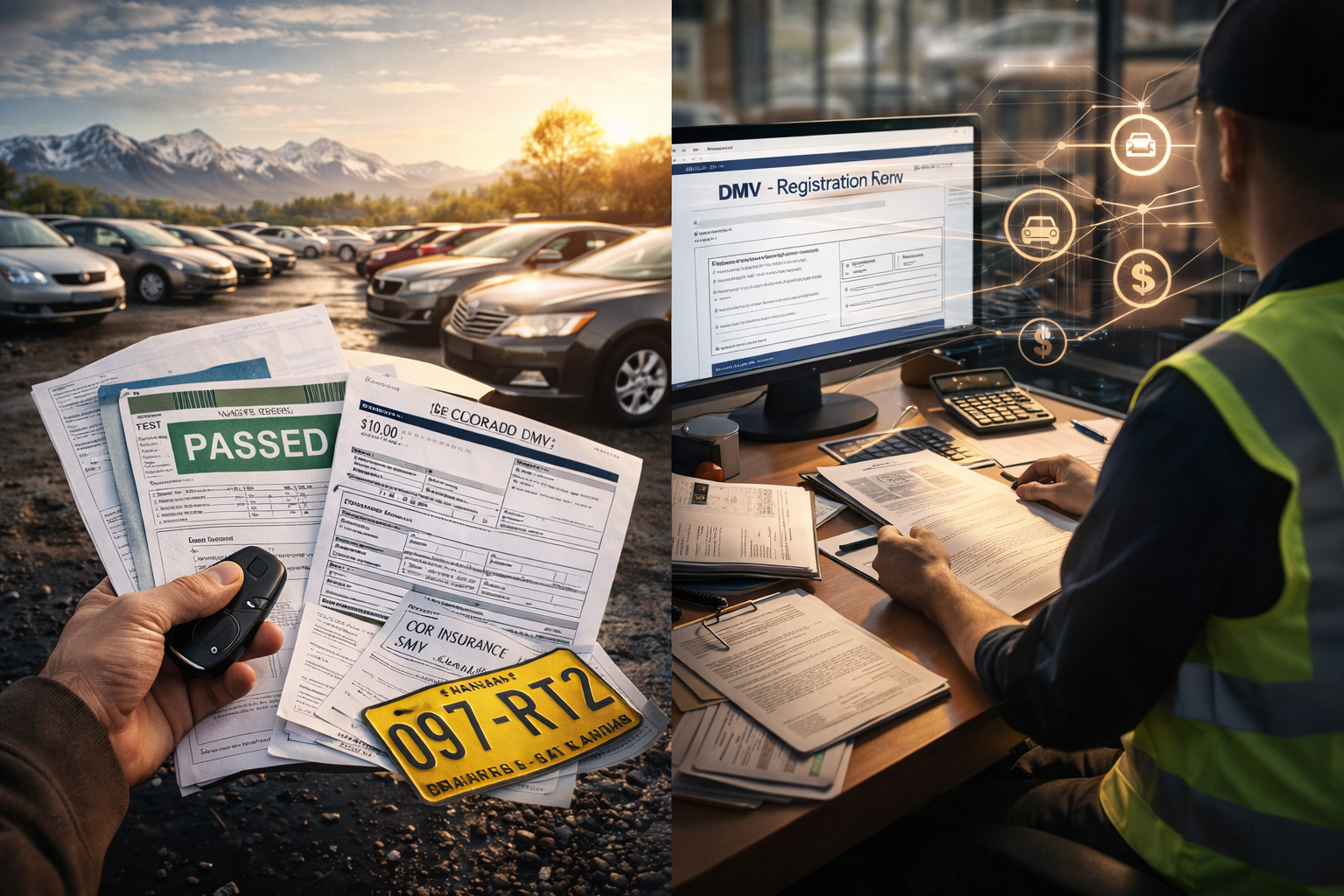
If you've decided your vehicle has reached the end of the road, recycling it responsibly usually involves a few paperwork steps in addition to the physical handoff. Most states require you to sign over the title to transfer ownership, and many ask you to file a notice of sale or release of liability so you're no longer responsible for the car once it leaves your hands. Depending on where you live, you may also need to cancel the registration and return or transfer the license plates.
These rules vary from state to state, and the agency that handles them goes by different names, including the DMV, MVD, BMV, Secretary of State, and Department of Revenue. Before you recycle or sell a vehicle, confirm the current requirements with your own state's motor-vehicle agency so the transfer is handled correctly and you're protected from future liability. If your title is lost, most states allow you to request a duplicate before completing the sale.
Is Auto Recycling the Right Choice for Your Car?
For most drivers with an aging or non-running vehicle, recycling is the clear winner. It's worth strongly considering when repair estimates approach or exceed what the car is worth, when the vehicle fails inspection or won't run reliably, or when you simply need the space and the cash. Even a car that seems hopeless to you still contains metal and salvageable parts that can be put to use.
Recycling makes less sense only when a vehicle is genuinely repairable for a reasonable cost and still meets your needs. In that case, sourcing a recycled part to fix it is often the smarter, greener move than replacing the whole car.
The Bottom Line
Junkyard auto recycling turns what looks like a pile of scrap into something useful for everyone involved. The environment benefits when metal stays in circulation and hazardous fluids stay contained. Your budget benefits when you buy a recycled part instead of a new one, sell an unwanted car for cash, or find an affordable used vehicle that came through the same system. It's a rare case where the eco-friendly choice and the budget-friendly choice happen to be the same one. Whether you're keeping an old car running or finally letting one go, U-Pull-&-Pay makes it easy to take part in that cycle and get real value out of a vehicle others might write off.