Ask AI About U-Pull-&-Pay
Find a Local Junkyard
ALABAMA
ARIZONA
COLORADO
FLORIDA
GEORGIA
INDIANA
KENTUCKY
LOUISIANA
MISSISSIPPI
NEW MEXICO
NORTH CAROLINA
OHIO
PENNSYLVANIA
SOUTH CAROLINA
TENNESSEE
TEXAS
How Junk Car Recycling Works: A Practical Guide for Drivers
U-Pull-&-Pay | Dec 20, 2025
When a car finally stops being worth fixing, most owners just want it gone. But that old sedan rusting in the driveway is worth more than it looks. Nearly every part of a vehicle can be reused or recycled, which is one reason cars are among the most recycled consumer products in the country. If you have a junk car and you are wondering what actually happens to it, this guide walks you through the whole process and shows you how to turn it into cash instead of a headache.
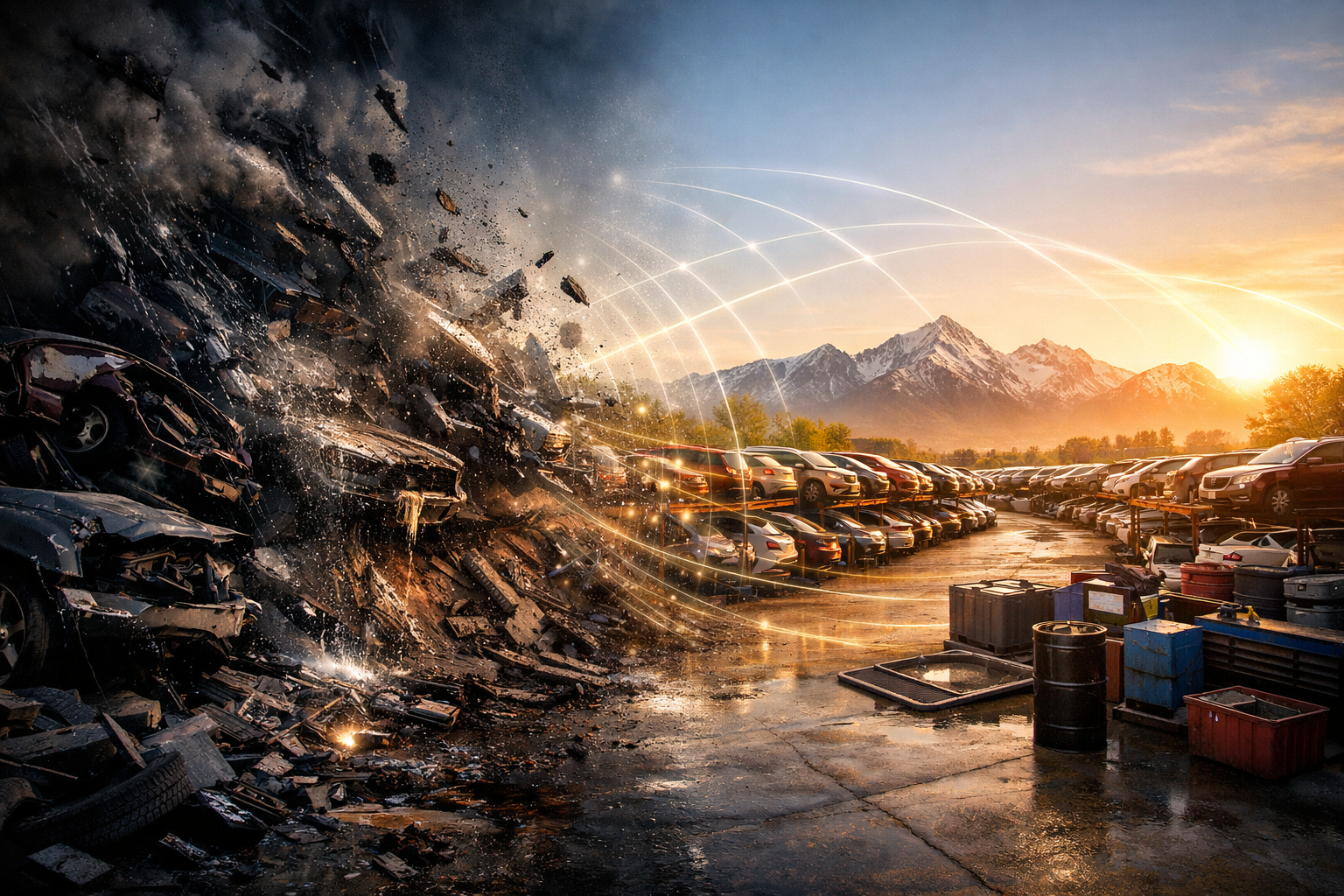
Here is the short version: junk car recycling is the process of safely taking apart a vehicle that has reached the end of its useful life. Fluids are drained and captured, usable parts are removed and resold, and the leftover metal shell is shredded, sorted, and melted down to make new steel. Done correctly, it keeps hazardous fluids out of the ground, cuts the need to mine and manufacture brand-new materials, and can put money back in your pocket.
Below you will learn what counts as a "junk" car, how the recycling process works step by step, why it matters for the environment, how to get paid, and the paperwork to handle before you let the car go.
What Counts as a Junk or End-of-Life Vehicle?
A junk car is not always a crushed wreck. The term simply describes a vehicle that is no longer practical to keep on the road. That might be a car with a blown engine, one that would cost more to repair than it is worth, a flood- or accident-damaged vehicle, or an older model that can no longer pass inspection or hold a reasonable resale value. In the recycling world, these are often called end-of-life vehicles.
You may also hear terms like salvage title or junk title. These describe a vehicle's legal status, usually after an insurer has declared it a total loss or after it has been marked for dismantling rather than repair. The exact definitions, branding rules, and paperwork tied to these titles vary from state to state, so it is worth confirming how your state classifies your specific vehicle before you assume what you can and cannot do with it.
How the Junk Car Recycling Process Works, Step by Step
Recycling a vehicle is more involved than dropping it at a scrap heap. A responsible operation follows a sequence designed to capture value and handle dangerous materials safely. The general process looks like this:
- Inspection and offer. The vehicle is evaluated based on its year, make, model, condition, mileage, and which major components are still intact. This determines what it is worth.
- Depollution. Before anything is dismantled, fluids are drained and captured, including engine oil, coolant, fuel, transmission fluid, brake fluid, and air-conditioning refrigerant. The battery, tires, and other hazardous items are removed so they can be handled separately.
- Parts recovery. Usable components are pulled for resale, from engines and alternators to mirrors, seats, and body panels. This is the step that keeps working parts in circulation instead of melting them down.
- Crushing. Once the reusable parts and fluids are gone, the stripped shell is flattened to make it easier to transport.
- Shredding and metal separation. The crushed body is fed through a shredder, and powerful magnets and other sorting equipment separate steel and iron from aluminum, copper, and non-metal material.
- Final recycling and disposal. Recovered metals head to mills to become new steel and other products, while remaining materials are recycled or disposed of through the proper channels.
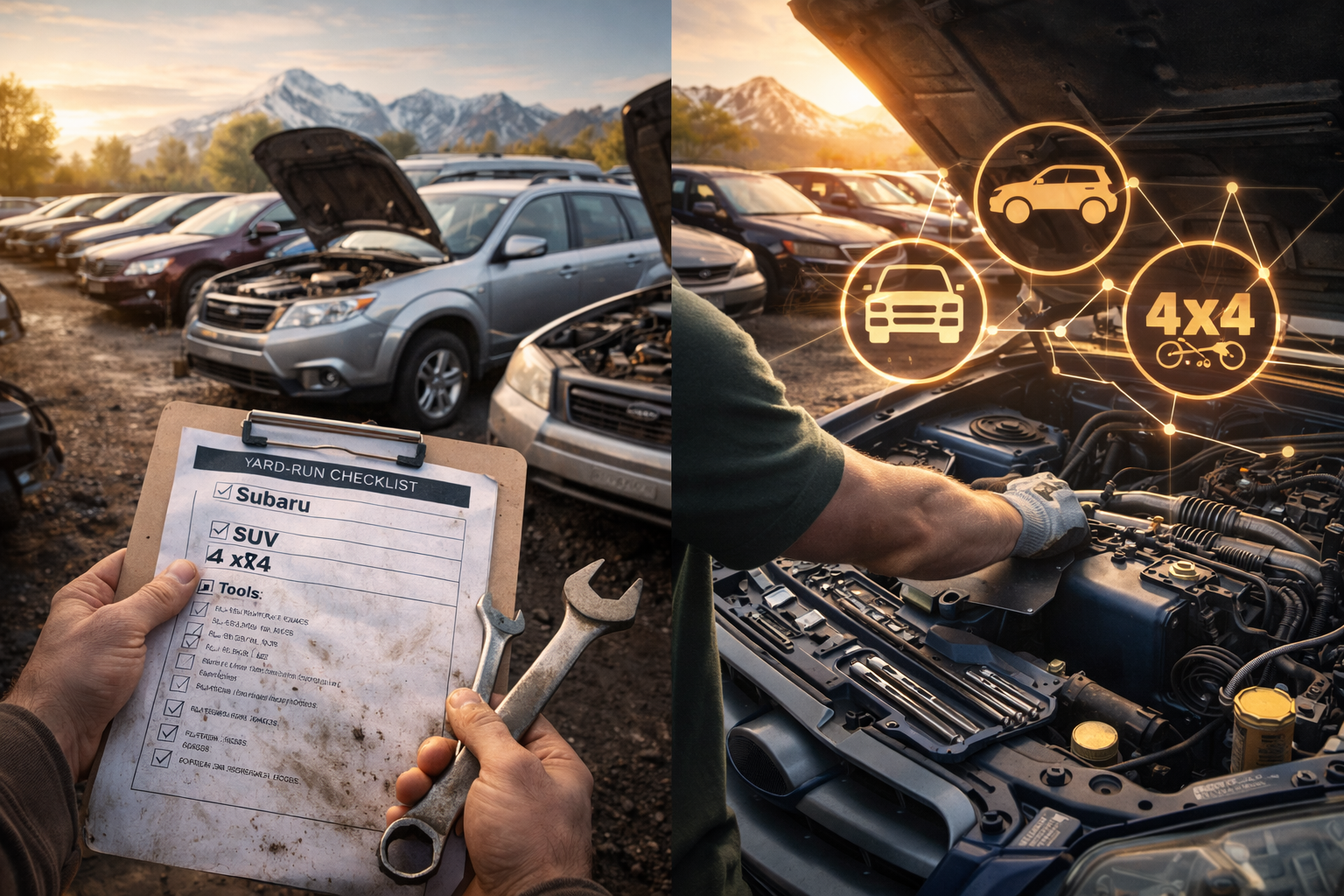
The parts-recovery step is where a self-service model changes the experience. At a self-service junkyard near you, many of the still-good parts from incoming vehicles are made available to the public before the shell is recycled. Customers search the online inventory, head to the yard, and pull the parts themselves, which is how the model keeps prices low. If you are shopping for a part rather than recycling a car, check the live inventory first and verify the year, make, model, trim, engine, and interchange information so the piece you pull actually fits your vehicle.
Why Recycling a Junk Car Is Good for the Environment
The environmental case for recycling a vehicle is straightforward. A car is mostly steel, and recycled steel takes far less energy to produce than steel made from freshly mined ore. Reusing and recycling a vehicle also keeps a large object out of the landfill and recovers materials that would otherwise have to be manufactured from scratch.
Just as important is the safe handling of what is inside the car. Used motor oil, coolant, fuel, brake fluid, refrigerant, and lead-acid batteries are all harmful if they leak into soil or water. Proper depollution captures these before they can cause damage. In short, recycling a junk car helps in a few clear ways:
- It keeps hazardous fluids and batteries out of the ground and waterways.
- It recovers steel, aluminum, and copper so less new material has to be mined and refined.
- It returns working parts to the road, reducing demand for newly manufactured replacements.
- It removes a bulky, slowly rusting object from yards, driveways, and storage lots.
Turning Your Junk Car Into Cash and Savings
Recycling does not just help the planet; it can help your budget on more than one front. The most direct benefit is selling the vehicle itself. When you are ready to part with a car that is not worth repairing, you can get cash for your car at a U-Pull-&-Pay location. Offers depend on the specific vehicle and current market conditions, so the most accurate way to know what yours is worth is to request a quote with your car's details. In many cases, once you accept an offer, the yard can arrange to tow the vehicle at no cost to you, though it is always worth confirming the specifics with your nearest location when you get your quote.
The second saving comes later. Because recycled vehicles supply the used-parts inventory, drivers facing an expensive repair often find a working component for a fraction of the price of a new one. That alone can be the difference between fixing a car and giving up on it.
If the car being recycled is your daily driver, you are probably thinking about a replacement. Buying used is one way to keep that cost down, and you can also shop for affordable used cars at participating locations. Inventory changes constantly and "affordable" does not mean every car will suit every driver, so check what is currently available and have any used vehicle inspected before you buy.
What You Need to Sell or Recycle a Junk Car
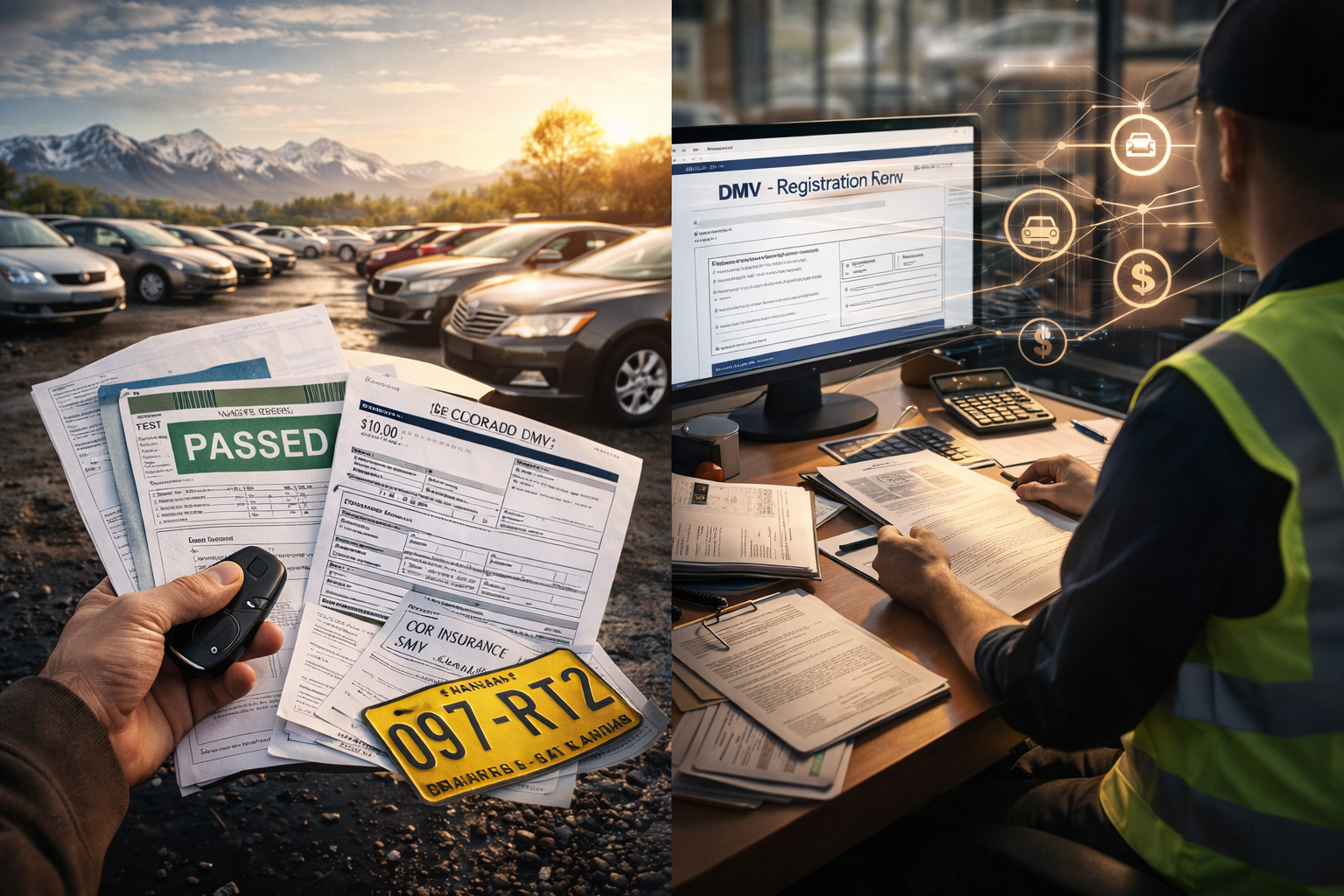
The paperwork for letting go of a vehicle is set by each state's motor vehicle agency, which may be called the DMV, BMV, MVD, Secretary of State, or Department of Revenue depending on where you live. The details differ, but a few basics tend to apply across the board. None of this is legal advice, but understanding the essentials helps you avoid lingering liability or fees.
- Title. To legally transfer ownership, you generally need the vehicle's title. If yours is lost, most states let you apply for a duplicate before completing the sale.
- Notice of sale or release of liability. Many states ask you to notify the agency that you have sold or disposed of the vehicle, which is what removes your name and ends your responsibility for it.
- License plates. Some states keep the plate with the seller rather than the car, meaning you remove it and either transfer or surrender it. Others handle plates differently, so check your state's rule.
- Liens. If money is still owed on the vehicle, the lien usually has to be cleared before ownership can transfer.
Because these requirements vary, the safest move is to confirm your state's current process before you hand over the car. You can find your state's agency through the official USAGov directory of state motor vehicle services, which links directly to each state DMV for titles, plates, and notice-of-sale requirements.
A Quick Checklist Before You Recycle Your Junk Car
A little preparation makes the handoff faster and protects you afterward. Before the car leaves, run through this list:
- Confirm the title is in your name, and order a duplicate if it is missing.
- Check your state's rule on license plates, then transfer or surrender yours as required.
- File any notice of sale or release of liability your state requires.
- Clear any outstanding lien on the vehicle.
- Remove personal belongings and any aftermarket extras you want to keep.
- Report the sale to your state before canceling the insurance on that car.
- Get a current quote, since offers depend on the vehicle and prices shift over time.
The Bottom Line
Recycling a junk car is one of those rare decisions that works out for almost everyone involved. You clear out a vehicle that is costing you space and worry, fluids and batteries get handled safely, valuable metal and parts go back into use, and you may walk away with cash in hand. The self-service model U-Pull-&-Pay uses simply makes that cycle more visible: today's recycled vehicle becomes tomorrow's affordable part for another driver's repair. When your car reaches the end of the road, recycling it is the practical, responsible, and often profitable way to say goodbye.